

Data has become the new oil, and companies everywhere are looking for people who can refine it into insights that drive business decisions. For students and fresh graduates, a 6 month data analytics course can be the perfect steppingstone to land their first job in the tech industry. But with so many options out there, the big question is: Which 6-month course is the right one to launch your career?
This blog takes you through what to expect in such a program, the skills you’ll learn, and how to pick the right course that connects with your career goals.
Why a 6-Month Data Analytics Course?
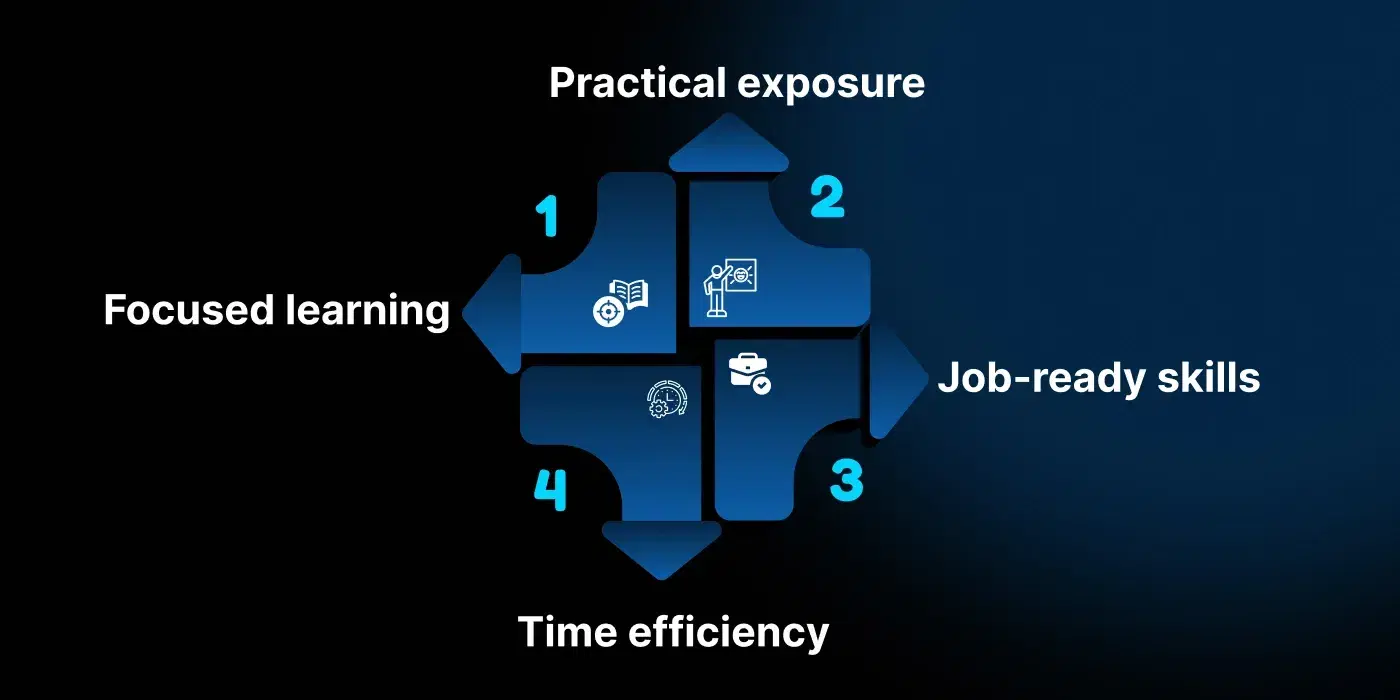
A short-term course may sound small, but 6 months is the sweet spot for students. Here’s why:
- Focused learning: It covers everything you need without overwhelming you with endless theory.
- Practical exposure: Most good courses mix classroom sessions with real-world projects.
- Job-ready skills: By the end, you’re equipped to handle entry-level roles like Data Analyst, Business Analyst, or Reporting Specialist.
- Time efficiency: For students balancing college or internships, six months feels achievable yet impactful.
Instead of spending years waiting for the “perfect” time, a 6-month program helps you quickly build a foundation and step into the job market.
What You Learn in 6 Months
A standard 6 months data analytics course is structured to take you from zero to employable. Here’s the usual roadmap:
1. Foundations of Data Analytics
- Understanding databases, SQL basics
- Learning Excel for quick reporting
- Introduction to data analyst prerequisites like math, logic, and statistics
2. Programming for Analytics
- Python for beginners
- Libraries like Pandas, NumPy, and Matplotlib
- Writing scripts for automation
3. Data Analytics Tools
- Hands-on with data analytics tools such as Power BI or Tableau
- Building dashboards to present insights
- Connecting tools with SQL databases
4. Data Wrangling and Cleaning
- Identifying missing values
- Cleaning large datasets
- Applying business rules
5. Applied Projects
- Real-time case studies: sales forecasting, customer segmentation, performance dashboards
- Team-based mini-projects to simulate workplace challenges
By the end, students are not just learning theory—they’re solving real-world problems using data.
How to Choose the Right 6-Month Course
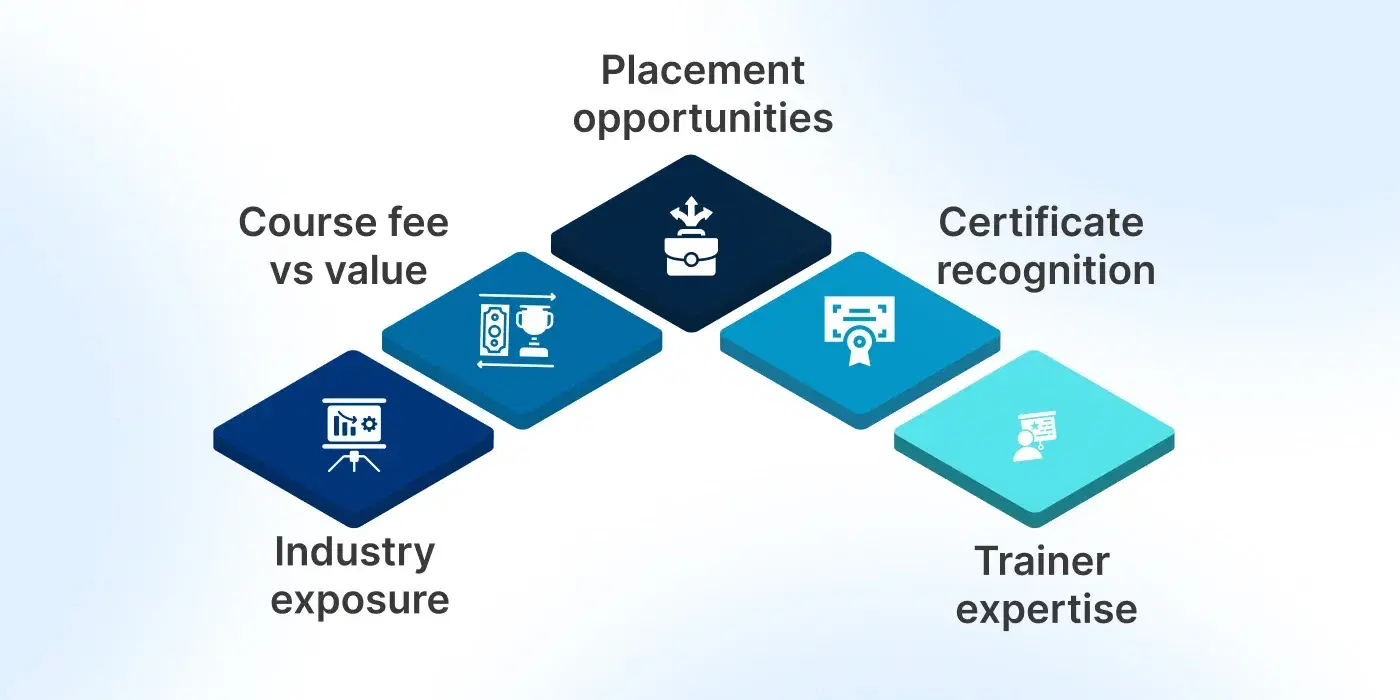
Not every program is built the same. Students must check:
- Placement opportunities: The best data analytics courses in India with placements give you an advantage by connecting you directly with recruiters.
- Course fee vs. value: Compare the data analyst course fee in India across institutes. The cheapest course may not always give the best career support.
- Industry exposure: Look for programs that use live projects instead of outdated case studies.
- Trainer expertise: Teachers with real industry experience explain not just “what” but also “why.”
- Certificate recognition: Ensure the certificate is accepted by companies.
At IDEA Institute, for example, our 6-month program integrates hands-on projects and industry mentoring, which makes it easier for students to transition directly into roles.
The Career Benefits of a 6-Month Program
Many students hesitate: “Can 6 months really change my career?” The answer is yes—if the course is structured well. Here’s how:
- You meet recruiter expectations
Most companies hiring freshers expect you to know data analyst prerequisites—SQL, Python, Excel, and visualization tools. A 6-month course covers these. - You gain portfolio projects
Projects you complete become part of your portfolio, which makes your resume stand out. - You become interview-ready
With data analyst training and placement support, mock interviews, and soft skills workshops, you don’t just learn—you get hired. - You save time
Instead of waiting years, you enter the job market faster and start building experience early.
What to Expect After Completing the Course
Once you finish a data analytics course, your career path looks like this:
- Entry-Level Roles: Data Analyst, Reporting Analyst, Junior BI Developer
- Average Salary: According to recent trends, freshers earn around ₹4–6 LPA. Over time, this can scale up to ₹10–15 LPA with experience.
- Higher Learning Options: You can later specialize in advanced analytics, machine learning, or data engineering.
Many graduates also pursue additional tools or certifications like Power BI or cloud platforms, depending on the industry they target.
Student Perspective: Real-World Learning
Students often find the biggest difference between online self-learning and structured 6-month courses is accountability. With trainers, project deadlines, and placement drives, students stay motivated to finish.
For example:
- In self-paced learning, you might learn Python basics but not know how to apply them.
- In structured programs, you use Python to clean messy Excel files, build reports, and integrate with dashboards.
That real-world connection is what makes a 6-month course truly valuable.
Final Thoughts
A 6 months data analytics course is not just about learning software—it’s about building a career. The right program connects students with real-world projects, practical exposure, and job placement opportunities.
If you’re serious about becoming a data analyst, focus on institutes that integrate data analytics tools, hands-on practice, and clear career pathways. Compare the data analyst course fee in India, evaluate placement records, and choose wisely.
Six months of consistent effort can launch you into one of the fastest-growing careers in the world. The earlier you start, the faster you grow.
Click here to Join our 6-month analytics course and get recruiter-ready skills.