
Python has become the universal language of technology. Whether you dream of becoming a data analyst, data engineer, or stepping into AI and machine learning, Python is often the first skill recruiters look for. But for a student who is just starting out, the question is obvious: Which beginner Python courses are right for me?
In this guide, we’ll explore how students can choose the right beginner Python courses, what skills these courses cover, and how they connect to future career opportunities in data and technology.
Why Python Is the First Step for Students
Imagine you are trying to learn mathematics. You don’t start with complex calculus; you start with basic arithmetic. Python plays the same role in technology careers—it’s the foundation on which you build your skills in analytics, data science, or engineering.
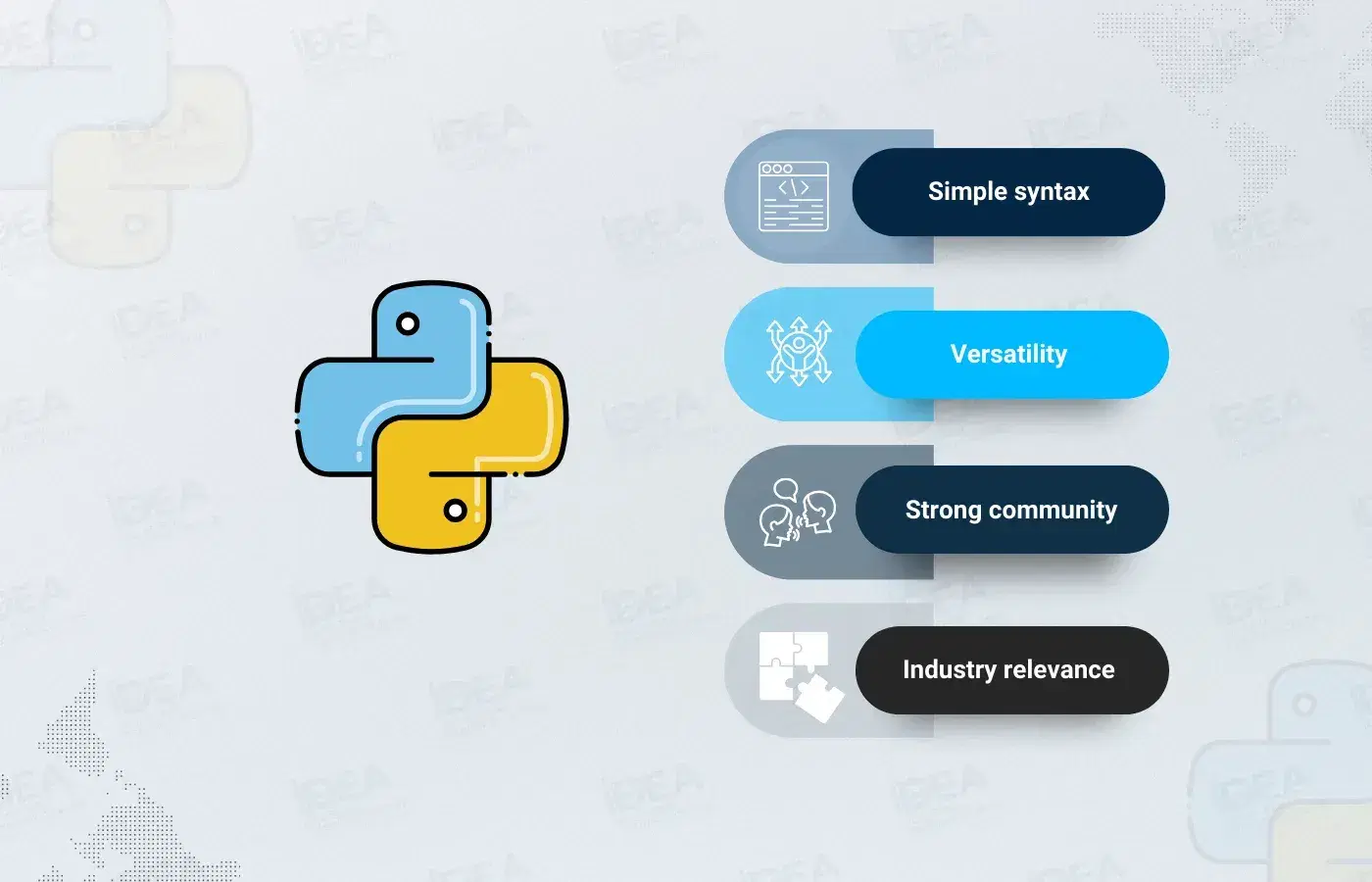
Here’s why Python is the first step for most students:
- Simple syntax: Its readability makes it easier for beginners compared to other languages like Java or C++.
- Versatility: Python is used for data analytics, artificial intelligence, web development, automation, and even gaming.
- Strong community: You’ll never feel stuck—thousands of forums, tutorials, and learning platforms are available.
- Industry relevance: Companies hiring for roles in analytics, software, or even business domains expect at least basic Python skills.
For students in Chandigarh, Mohali, or anywhere in India, Python is not just another course—it’s a gateway to high-demand tech careers.
What Beginner Python Courses Teach You
A beginner Python course usually focuses on laying the foundation. Instead of rushing into advanced concepts, it teaches you the building blocks. Most student-friendly courses cover:
- Basic Syntax and Variables – Learn how to write simple programs like calculators or grade checkers.
- Data Types and Structures – Work with lists, tuples, dictionaries, and sets.
- Control Flow – If-else statements and loops to control program logic.
- Functions – Writing reusable code to save time and effort.
- File Handling – Reading and writing files (important in data tasks).
- Libraries for Beginners – A gentle introduction to libraries like NumPy and Pandas.
These are not just theoretical concepts. In most good training institutes, you’ll work on hands-on exercises like:
- Building a simple to-do list app.
- Writing scripts to clean messy data in Excel.
- Creating a small game like “Guess the Number.”
Such projects make the learning process interactive and help students understand the real-world applications of Python.
Linking Python to Data Careers
Many students ask: “If I learn Python, what can I do next?”
Here’s how these Python courses connect to your future path:
- For Data Analysts – Python helps in working with data analytics tools like Pandas, Matplotlib, and Power BI integrations. A beginner Python course gives you the confidence to handle data.
- For Data Engineers – Python is used in building ETL pipelines, managing databases, and writing automation scripts.
- For Business Analysts – Even if you’re not coding daily, Python helps you automate tasks and understand technical discussions with your team.
So, a Python foundation is not an optional skill anymore—it’s a requirement across roles.
What Students Should Check Before Enrolling
When choosing a beginner Python course, students must evaluate:
- Relevance – Does the course connect to future paths like data analyst course in Chandigarh or 6 month training in Chandigarh programs?
- Hands-On Learning – Is there enough practical coding, not just theory?
- Projects Included – Are real-world mini-projects part of the curriculum?
- Trainer Expertise – Do trainers have industry exposure, or are they purely academic?
- Certification – Will you get a certificate that is recognized by companies?
For example, at IDEA (Institute of Data Engineering & Analytics), python training is designed with real industry case studies, making it easier for students to transition from learning to job-ready skills.
Career Paths After Beginner Python
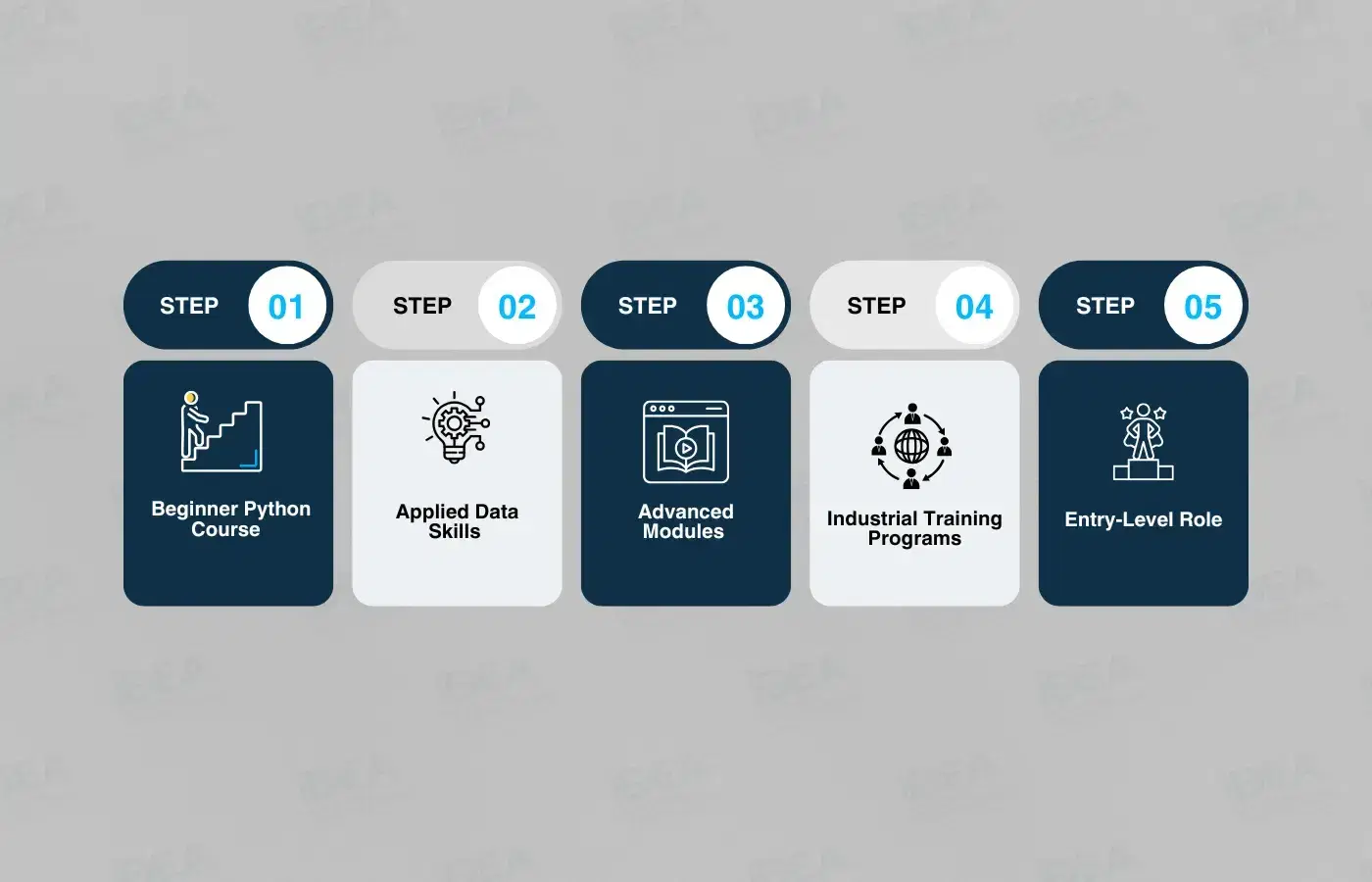
Once you’ve finished a beginner course, what comes next? Here’s the progression most students follow:
Step 1: Beginner Python Course
Learn the basics and practice small programs.
Step 2: Applied Data Skills
Use Python in data analytics tools—Excel automation, Pandas, data visualization.
Step 3: Advanced Modules
Explore SQL, Machine Learning, and Big Data concepts.
Step 4: Industrial Training Programs
Join programs like 6 months training in Chandigarh or Mohali to gain industry exposure.
Step 5: Entry-Level Role
With Python plus applied training, students can start as data analysts, junior engineers, or reporting analysts.
Why Students in Chandigarh and Mohali Should Consider Local Training
While online courses are popular, many students benefit from local institutes because:
- You get in-person mentoring and quick doubt resolution.
- Exposure to team-based projects mimics real workplace culture.
- Opportunities for internships and placements increase when institutes are connected with local companies.
So, if you’re looking for python training in Chandigarh or industrial training in Mohali, you’re not just learning—you’re building a career pathway with local opportunities.
How to Start Learning Python Today
Here’s a quick plan for students who want to start immediately:
- Install Python – It’s free; download it from python.org.
- Practice Daily – Write at least 10 lines of code every day.
- Follow a Beginner Roadmap – Stick to a structured syllabus (variables → loops → functions).
- Work on Projects – Don’t just read theory; build something small every week.
- Seek Mentorship – Join a training program or institute to stay consistent.
Final Thoughts
Choosing the right beginner Python courses can change your entire career trajectory. For students, Python is more than just coding—it’s the first step toward data analytics, engineering, and business technology careers.
If you’re in Chandigarh, Mohali, or nearby regions, explore data analyst courses in Chandigarh or 6 month training in Chandigarh programs that integrate Python with real-world projects.
Remember, the goal is not just to learn Python—it’s to apply it in ways that bring you closer to your career dreams. Start today, stay consistent, and within months, you’ll see how Python transforms your learning journey into a job-ready skill set.
Join our beginner Python training today and build the foundation for your dream job.