

The world runs on data. E-commerce uses data to recommend products. Hospitals use it to predict risks. Businesses use it to reduce cost and improve decisions. The people behind these insights are data analysts—professionals who collect, clean, and interpret data to support decision-making.
So what is the best way to become a data analyst in 2026?
It’s not just about learning tools. It’s about following a clear roadmap: build prerequisites, learn core requirements, practice projects, and prepare for interviews.
Why Data Analyst Careers Are in Demand
Before the “how,” here’s the “why”:
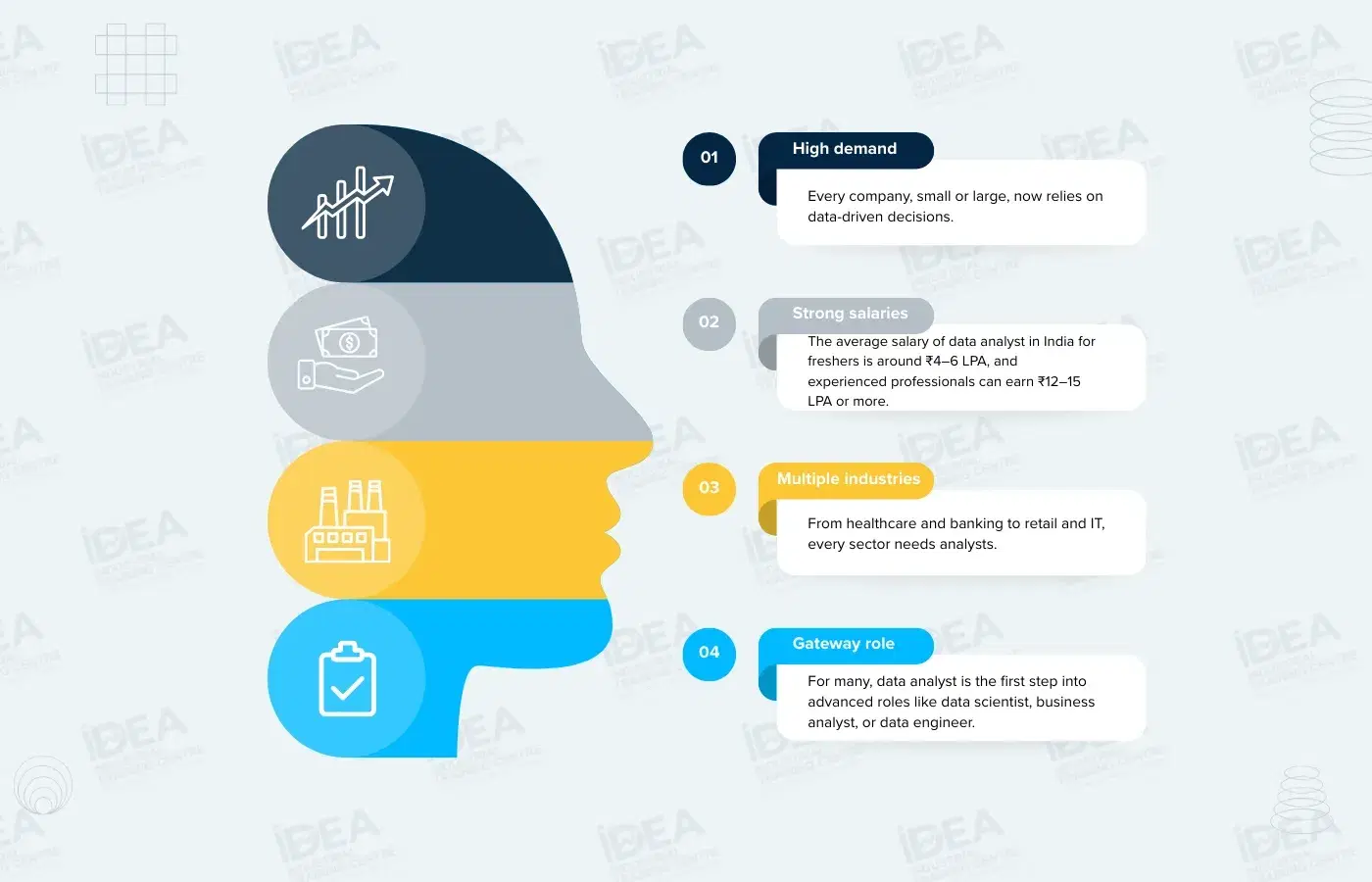
- High demand: Almost every business uses data-driven decision-making.
- Strong salaries: The average salary of data analyst in India for freshers is usually ₹4–6 LPA, and can go much higher with experience.
- Multiple industries: Healthcare, finance, retail, IT, manufacturing—every sector needs analysts.
- Career growth: Data analyst is a strong entry point for roles like BI analyst, business analyst, and data scientist.
Step 1: Meet the Data Analyst Prerequisites
These are the data analyst prerequisites that make learning easier:
- Logical thinking: Break problems into steps
- Basic math & statistics: mean/median, probability, correlation
- Excel basics: cleaning, sorting, filtering, formulas
- Communication: explain insights in simple language
You don’t need to be perfect at everything on day one. Start basic and build.
Step 2: Learn the Core Data Analyst Requirements
Recruiters usually look for these data analyst requirements:
- SQL: to work with databases (joins, filters, aggregations)
- Python or R: for analysis and automation (Python is more common)
- Visualization tools: Power BI / Tableau
- Data cleaning: missing values, duplicates, inconsistent formats
- Business understanding: what problem the data is solving
These skills are the base of most job descriptions.
Step 3: Choose Structured Training With Placement Support
Many students start self-learning but stop due to lack of direction. That’s why structured programs help, especially if they include data analyst training and placement.
A good structured program usually provides:
- Step-by-step learning path
- Hands-on assignments + projects
- Resume + interview preparation
- Placement support and hiring connections
If your goal is a job, look for best data analytics courses in India with placements that focus on real work and interview readiness—not just certificates.
Step 4: Build Projects That Speak
Certificates don’t prove skill. Projects do.
Beginner-friendly project ideas:
- Sales dashboard: Power BI dashboard for region-wise performance
- HR analytics: attrition analysis using Excel + SQL
- E-commerce insights: Python cleaning + customer behavior analysis
Keep projects simple but complete: dataset → cleaning → analysis → dashboard/story.
Step 5: Prepare for Interviews
In 2026, recruiters test both technical skills and thinking.
What to focus on:
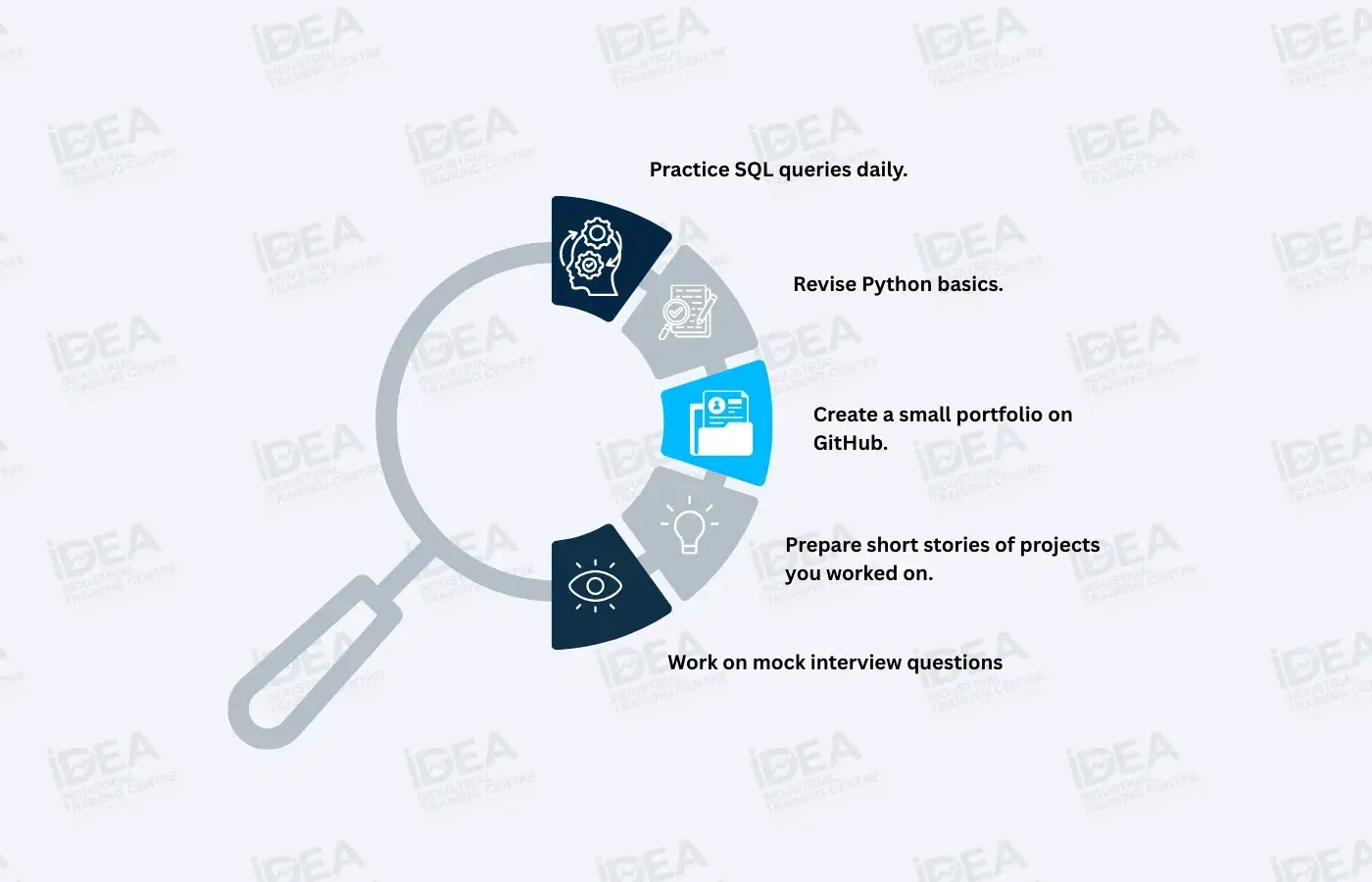
- Practice SQL daily (joins, group by, window functions)
- Revise Python basics (pandas, grouping, merging)
- Create a small portfolio (GitHub/Drive link)
- Prepare 2–3 project stories (problem → approach → result)
- Practice common questions like: “How would you analyze a drop in sales?”
Tips for Students
- Be consistent, 30 minutes daily beats weekend bursts
- Master basics first before jumping to AI/ML
- Build small projects regularly
- Improve communication (short, structured answers)
- Keep your LinkedIn + resume aligned with your target role
Final Thoughts
The best way to become a data analyst in 2026 is to follow a clear roadmap: build the right data analyst prerequisites (logic, basics of stats, Excel, communication), then master the core data analyst requirements (SQL, Python, and a BI tool). Focus on 2–3 solid projects that show results and practice interview questions regularly. If you need faster structure and support, a program with data analyst training and placement can help you become job-ready sooner.
Ready to start your journey as a data analyst? Enroll now in our placement-focused training program and turn your skills into a career.