
Most students want to start a career in data. But the real problem starts when they do not know where to begin.
One student starts learning SQL. Another starts Python. Someone else jumps into dashboards. Then job posts mention ETL, data warehouse, PySpark, cloud, pipelines, and data engineering. Suddenly, the learning path feels confusing.
This is where a Data warehouse course becomes important.
Not because it is just another topic to add to a resume. But because it helps students understand the base of how business data is stored, organized, and used.
If the foundation is weak, every advanced tool feels difficult. But when students understand data warehousing properly, SQL becomes more meaningful, ETL becomes easier, and data engineering starts making sense.
That is why many data careers quietly begin with one strong foundation: the data warehouse.
Why Students Feel Confused at the Start
Most beginners are not confused because they cannot learn.
They are confused because they learn in the wrong order.
Students often start with tools before understanding the system behind them. They learn queries but do not know where the data is stored. They learn dashboards but do not know how clean data reaches those dashboards. They learn Python but do not understand how it connects with business reporting.
This creates a gap.
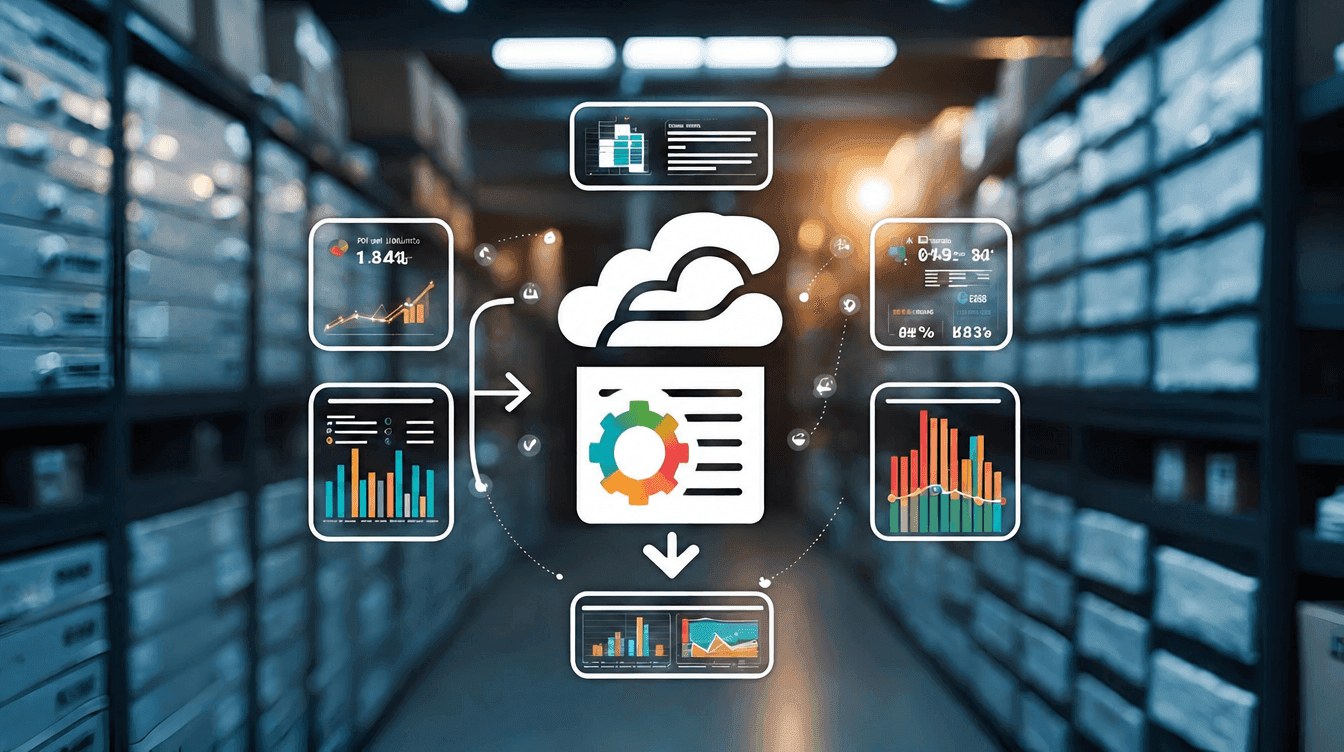
In real companies, data does not directly become a dashboard. It passes through different steps. It comes from apps, files, databases, CRMs, websites, and APIs. Then it is cleaned, arranged, stored, and finally used for reports or decisions.
A Data warehouse course helps students see this full journey.
It turns scattered learning into structured understanding.
What a Data Warehouse Actually Means
A data warehouse is a central place where business data is stored in an organized way.
Think of it like a well-arranged library.
If books are kept randomly, finding the right information becomes hard. But if books are arranged by subject, author, and category, anyone can find what they need faster.
A data warehouse does the same for business data.
It collects data from different sources and stores it in a clean, structured format. This helps teams create reports, study trends, compare performance, and make better decisions.
For students, this concept is important because almost every serious data role connects to warehousing in some way.
Data analysts use warehouse data for reports.
Data engineers build pipelines that load data into warehouses.
BI developers create dashboards from warehouse tables.
AI and analytics teams also need clean historical data.
So when beginners understand warehousing, they understand the base of the data world.
Why Data Warehousing Comes Before Advanced Tools
Many students want to jump directly into advanced tools because they look impressive.
But without understanding data storage, tables, schemas, and business logic, advanced tools become confusing.
A strong warehouse foundation helps students understand:
- How data is stored: Students learn how tables, columns, keys, and relationships work.
- How data is arranged: They understand structured formats used for reporting and analysis.
- How business logic works: They learn how raw records become useful business information.
- How reporting depends on clean data: They see why messy data creates wrong dashboards.
- How pipelines connect systems: They understand why ETL and warehouse design matter together.
This is why a data engineering course for beginners should include data warehousing early in the roadmap.
It gives students the base before they move into pipelines, automation, and large-scale processing.
How ETL Training Connects With Data Warehousing
Students often hear the word ETL but do not fully understand it.
ETL stands for Extract, Transform, and Load.
It means:
- Extract: Take data from different sources.
- Transform: Clean, filter, format, and prepare the data.
- Load: Move the final data into a warehouse or database.
This is where ETL training becomes useful.
A data warehouse is the place where clean data is stored. ETL is the process that brings data there.
Both are connected.
For example, a company may collect sales data from an app, customer data from a CRM, and payment data from another system. ETL helps combine, clean, and load this data into a warehouse. Then business teams can use it for reports.
Students who understand this connection can explain real workflows better in interviews.
They do not just say, “I learned ETL.”
They can say, “I learned how data moves from source systems into a warehouse after cleaning and transformation.”
That explanation sounds much stronger.
Why PySpark Becomes Easier After Warehousing Basics
Many students want to learn PySpark because they see it in job descriptions.
But PySpark can feel difficult if students do not understand basic data structure first.
Before learning large-scale data processing, students should know how tables work, how data is transformed, and how clean datasets are prepared.
That is why students looking for PySpark training in Mohali should first build a strong data warehouse foundation.
Once students understand warehousing, PySpark concepts become easier because they already know:
- What kind of data they are processing
- Why transformation is needed
- How final data should look
- Where processed data may be stored
- How pipelines support reporting and analytics
PySpark is not just about writing code. It is about processing data at scale.
Warehousing teaches the logic. PySpark helps apply that logic on bigger data.
What Students Should Learn in a Good Data Warehouse Course
A good course should not only explain theory. It should help students understand how data is used in real work.
Students should look for these learning areas:
- Database basics: Tables, columns, keys, relationships, and queries.
- Warehouse concepts: Facts, dimensions, schemas, and reporting structures.
- SQL practice: Joins, grouping, filtering, subqueries, and aggregations.
- ETL flow: How raw data moves from source to final storage.
- Data cleaning: Handling duplicates, missing values, and incorrect formats.
- Mini projects: Creating simple warehouse tables and loading clean data.
- Business examples: Sales, attendance, customer, finance, or inventory data.
A strong Data warehouse course in India should help students connect concepts with practical tasks, not just definitions.
This is what makes learning useful.
How a Warehouse Foundation Helps in Interviews
Interviews are not only about remembering definitions.
They test whether students can explain what they understand.
If a student learns warehousing properly, they can answer questions like:
- Where does business data come from?
- Why is raw data not directly used for reports?
- What is the role of ETL?
- Why do we need clean warehouse tables?
- How does a dashboard get trusted data?
These answers show clarity.
A student with this foundation sounds more prepared than someone who only says they learned tools.
That is why warehousing is not a small topic. It is one of the most important starting points for a data career.
Final Thoughts
Students do not need to learn everything at once.
They need to learn in the right order.
A data career becomes easier when the foundation is clear. Before jumping into advanced tools, students should understand how data is stored, cleaned, transformed, and prepared for use.
That is exactly what a Data warehouse course helps with.
It gives beginners the base to understand SQL, ETL, PySpark, pipelines, reporting, and real data projects.
Because in the data world, strong careers do not start with random tools.
They start with a strong foundation.
Book a consultation call with IDEA Institute to choose the right data learning path.