

Introduction:
Six months ago, I had no idea what an ETL pipeline was. I knew Python basics. I could write SQL queries. But connecting everything into a working data pipeline felt impossible. Today, I've built three ETL pipelines that run in production environments. One even processes 50,000 records daily.
If you're a fresher trying to break into data engineering, building your first ETL pipeline feels overwhelming. The good news? It's simpler than tutorials make it seem. This guide walks you through exactly how I built my first pipeline and how you can do the same.
What Is an ETL Pipeline and Why Should You Care?
ETL stands for Extract, Transform, Load. It's the process of pulling data from sources, cleaning and transforming it, then loading it into a destination like a data warehouse.
Every company with data needs ETL pipelines. Netflix uses them to process viewing data. Amazon uses them for inventory tracking. Banks use them for transaction processing. As a fresher entering data engineering, understanding ETL pipelines isn't optional. It's the foundation everything else builds upon.
The demand for data engineers who can build reliable pipelines keeps growing. Companies in Chandigarh, Mohali, and across India actively hire freshers with practical ETL skills. The catch? They want candidates who've built real world projects, not just watched tutorials.
Prerequisites Before You Start Building
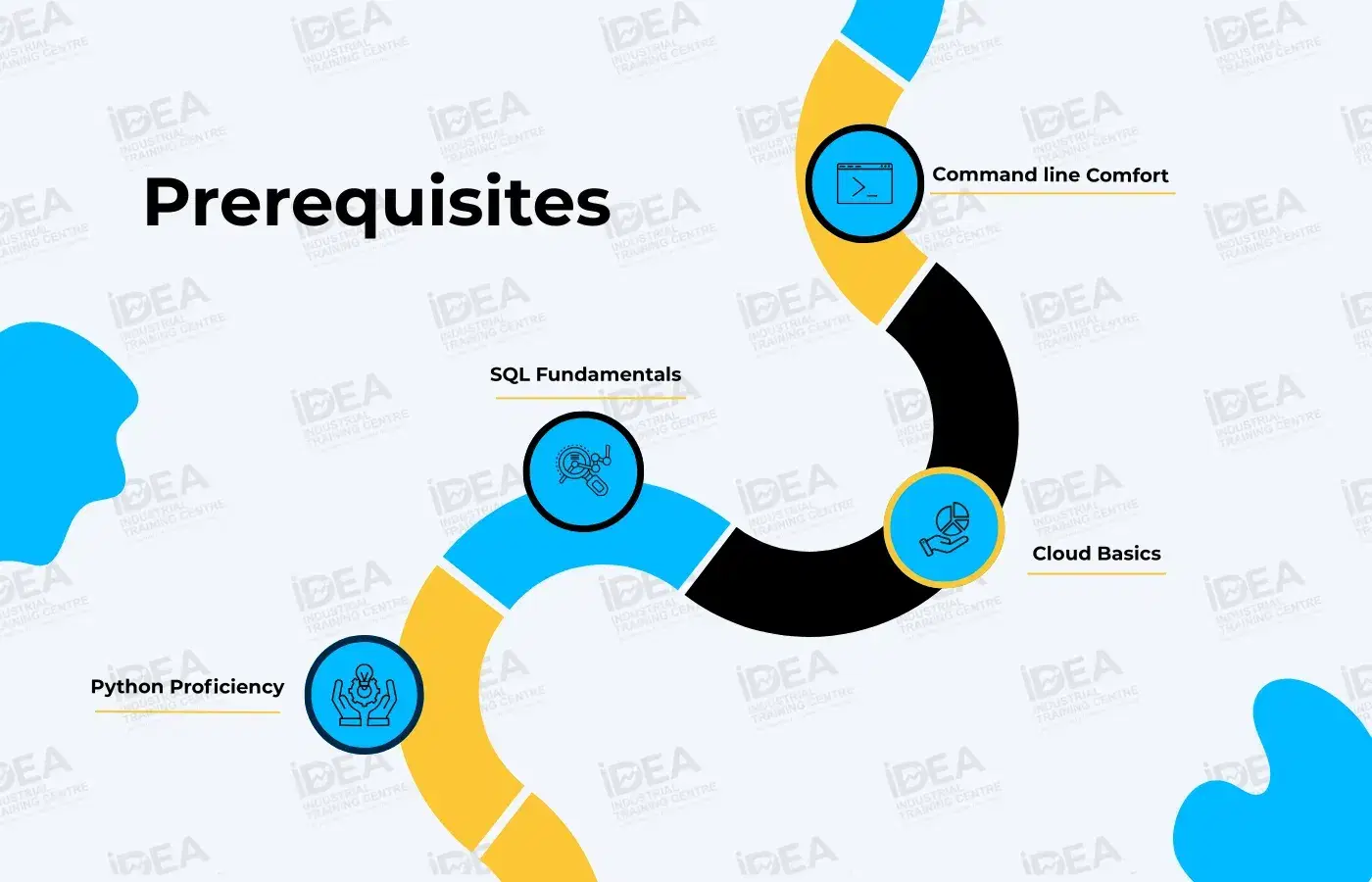
Before jumping into your first ETL pipeline, ensure you have foundational skills in place.
Python proficiency. You don't need to be an expert. Basic understanding of functions, loops, file handling, and libraries like pandas is enough. ETL pipeline Python skills develop through practice, not perfection.
SQL fundamentals. You'll query databases constantly. Know SELECT, JOIN, WHERE, GROUP BY, and basic aggregations. Most transformation logic happens through SQL.
Cloud basics. Familiarity with AWS or Azure helps tremendously. You don't need certifications. Just understand what S3 buckets, databases, and compute instances do. ETL pipeline AWS knowledge becomes essential as you progress.
Command line comfort. You'll run scripts, manage files, and deploy code through terminals. Basic navigation and commands save hours of frustration.
If these feel shaky, spend two weeks strengthening them before building pipelines. The investment pays off immediately.
Step 1: Choose a Simple Project That Matters
Your first ETL pipeline should solve a real problem. Avoid generic tutorials that extract meaningless data into nowhere. Choose something you actually care about.
I built my first pipeline to track job postings for data engineering roles. It extracted listings from job portals, transformed them to identify skill requirements, and loaded results into a simple database. Suddenly, I understood which skills employers actually wanted.
Other beginner friendly projects include weather data collection and analysis, e commerce product price tracking, social media sentiment aggregation, and stock market data pipelines.
Pick something interesting to you. Motivation matters when debugging errors at midnight.
Step 2: Design Before You Code
Jumping straight into code causes headaches. Spend 30 minutes designing your data pipeline first.
Answer four questions:
What's your data source? APIs, CSV files, databases, or web scraping. Know exactly where data comes from and how to access it.
What transformations are needed? Cleaning nulls, converting formats, aggregating values, joining datasets. List every change required.
Where does data go? Local database, cloud data warehouse, or simple files. Start simple. SQLite works perfectly for learning.
How often should it run? Once daily, hourly, or real time. Batch processing is easier for beginners than streaming.
Write this design down. Reference it constantly while building.
Step 3: Build the Extract Phase
Extraction pulls data from sources into your pipeline. Start here because it's usually straightforward.
For API extraction, use Python's requests library. For database extraction, use SQLAlchemy or direct connectors. For file extraction, pandas reads CSV, JSON, and Excel effortlessly.
Keep extraction logic separate from transformation. Create a dedicated function or script that only handles data retrieval. This modularity saves debugging time later.
Test extraction thoroughly before moving forward. Print sample records. Verify counts match expectations. Confirm data types are correct.
Step 4: Build the Transform Phase
Transformation is where real data engineering happens. Raw data becomes useful information through cleaning, validation, and restructuring.
Common transformations include handling missing values through filling or removal, converting data types like strings to dates, standardizing formats for consistency, aggregating records through grouping and summarizing, joining multiple data sources together, and filtering irrelevant records.
Use pandas for most transformations when starting. It handles 90% of beginner needs. As you progress, Apache Spark becomes essential for larger datasets.
Write transformation logic in testable functions. Each function should do one thing well. This approach makes debugging infinitely easier.
Step 5: Build the Load Phase
Loading moves transformed data to its destination. For beginners, SQLite or PostgreSQL work perfectly as target databases.
Use SQL for loading operations. INSERT statements add new records. UPSERT logic handles updates to existing records. Batch loading improves performance over row by row insertion.
Cloud platforms expand your options. AWS offers Redshift for data warehousing. Azure provides Synapse Analytics. Learning these platforms makes you job ready for enterprise environments.
Verify loads completed successfully. Compare source counts to destination counts. Check for duplicates or missing records.
Step 6: Automate and Monitor
Manual pipelines aren't pipelines. They're scripts. Real ETL pipelines run automatically on schedules.
Start simple with cron jobs or Windows Task Scheduler. As you advance, tools like Apache Airflow provide sophisticated orchestration.
Build basic monitoring from day one. Log every run with timestamps, record counts, and error messages. When pipelines fail at 3 AM, logs tell you why.
How Industrial Training Accelerates Your Learning
Building ETL pipelines alone works but takes longer. Structured industrial training compresses months of self learning into weeks.
Good data engineer courses provide mentorship when you're stuck, real world projects that mirror actual job requirements, placement support connecting you to hiring companies, and exposure to enterprise tools like Apache Spark, AWS, and Azure.
Students in Chandigarh and Mohali increasingly choose industrial training programs to become job ready faster. The investment pays off through quicker placement and higher starting salaries.
The Bottom Line
Building your first ETL pipeline transforms you from someone who knows concepts to someone who builds solutions. That shift matters more than any certification for landing data engineering roles.
Start simple. Choose interesting projects. Design before coding. Build each phase separately. Automate everything. Learn from failures.
The fresher who has built three working pipelines beats the candidate with ten tutorial completions every time. Employers want proof you can deliver, not promises you can learn.
Your data engineering journey starts with one pipeline. Build it today.
Start building real world ETL pipelines with expert guidance. Join IDEA Institute's data engineer course today.