

For students aspiring to enter the field of analytics, a business analyst course with placement can be a life-changing decision. Business analysts act as a bridge between data, technology, and decision-making. But while many courses promise skills, very few provide structured placement support that ensures students get hired.
In this blog, we’ll break down what makes a business analyst course truly effective, the qualifications you need, the role of data analytics tools, salary expectations, and why placement support is a critical part of your journey.
Why Choose a Business Analyst Course with Placement?
Unlike generic courses, placement-linked programs focus on three goals:
- Teaching the fundamentals and tools needed for business analysis.
- Guiding students through real-world projects to apply knowledge.
- Connecting graduates with recruiters through mock interviews, referrals, and job fairs.
This combination ensures students don’t just “learn” but actually step into business analyst roles with confidence.
Business Analyst Qualifications Students Must Meet
To succeed in such courses, students should meet the following:
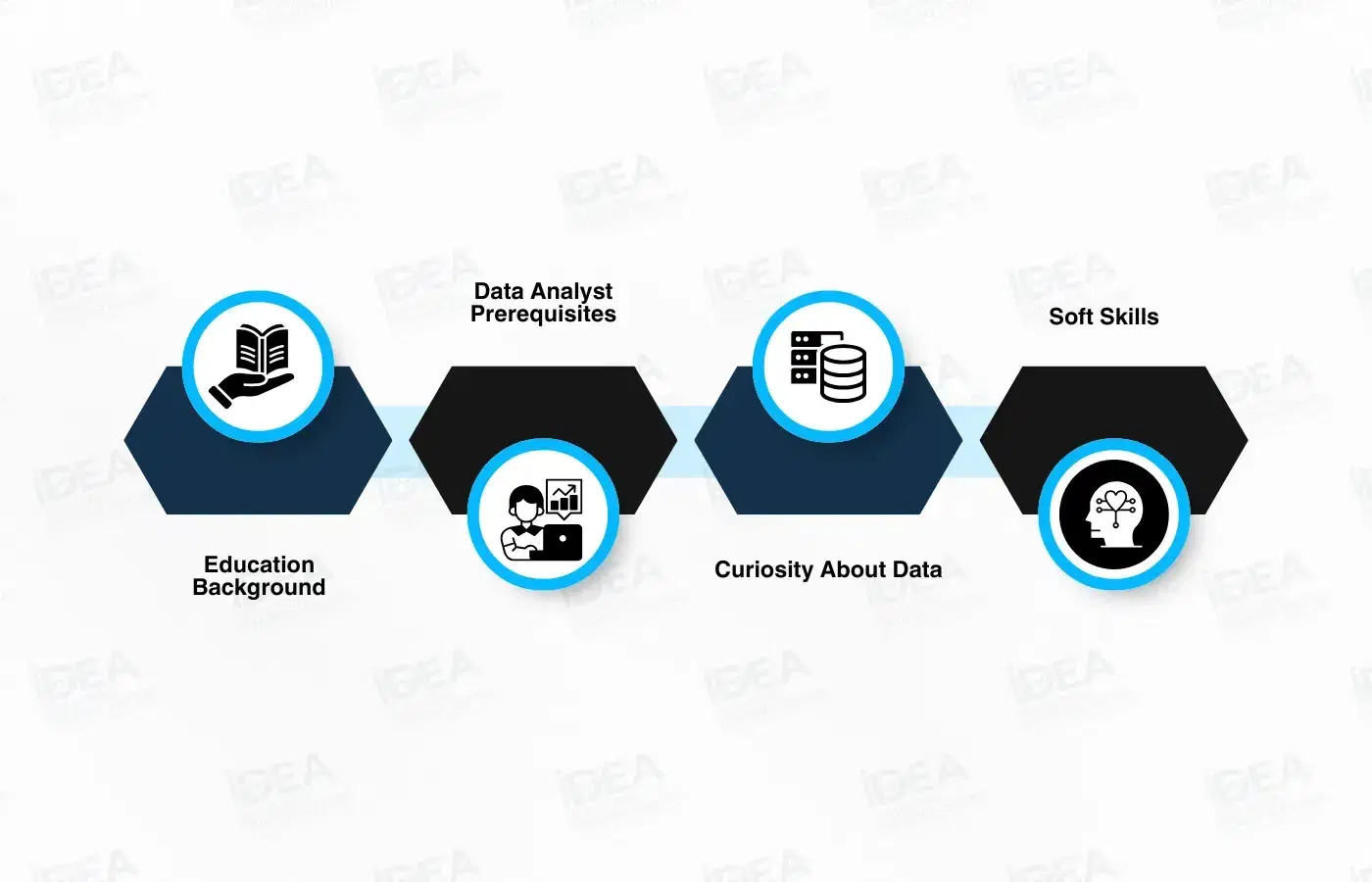
- Education Background: Most students come from commerce, economics, IT, or engineering, but others can join with the right preparation.
- Data Analyst Prerequisites: Basic computer knowledge, Excel familiarity, logical problem-solving, and clear communication.
- Curiosity About Data: The mindset to ask “why” behind every trend.
- Soft Skills: Explaining insights in plain language for stakeholders is just as important as technical know-how.
Even if you don’t have a technical degree, a good course builds these skills step by step.
Key Tools You’ll Learn
Modern business analysts rely heavily on data analytics tools. A placement-driven course usually includes:
- Excel: For quick calculations, pivots, and dashboards.
- SQL: To extract and analyze structured data from databases.
- Python Basics: For automation and handling large datasets.
- Visualization Tools: Power BI or Tableau to create interactive dashboards.
- Domain Tools: Google Analytics (for digital businesses) or ERP/CRM basics.
Employers today look for graduates who are not just familiar with these tools but can demonstrate applied knowledge through projects.
Average Salaries You Can Expect
Salary often motivates students to invest in training. While “business analyst” and “data analyst” are closely related, their pay ranges are similar for freshers.
| Role | Average Fresher Salary in India (2025) | Source/Notes |
|---|---|---|
| Business Analyst | ₹4.5 – ₹6.5 LPA | Placement-backed programs report slightly higher starting salaries |
| Data Analyst | ₹4.0 – ₹6.0 LPA | Glassdoor median ~₹7.3 LPA overall |
| Senior Analysts (3–5 years) | ₹10 – ₹15 LPA | With tool mastery + domain knowledge |
This shows that investing in a structured program with placement support pays off quickly.
Student Story: Kritika’s Path to Success
Kritika, a B.Com graduate from Chandigarh, wasn’t sure if she could get into analytics. She joined a business analyst course at a local software training institute. The program started with Excel and SQL, gradually moving to Power BI and case studies.
She built a project analyzing e-commerce sales trends and presented it during mock interviews. Within 5 months, Kritika landed her first role as a Business Analyst at ₹5.2 LPA, close to the average salary of data analyst in India for freshers.
Placement Programs: Why They Matter
Here’s how placement-driven courses stand out:
- Resume Building: Courses teach how to showcase projects effectively.
- Mock Interviews: Students practice both technical and HR rounds.
- Recruiter Access: Many programs connect students with partner companies.
- Portfolio Showcase: Students present dashboards and analysis during placement drives.
Without placement support, many students struggle to translate skills into jobs.
Difference: Generic Course vs Placement-Backed Program
| Aspect | Generic Course | Business Analyst Course with Placement |
|---|---|---|
| Focus | Theory-heavy, less practical | Hands-on, projects + placement prep |
| Trainer Profile | Often academic-only | Industry-experienced trainers |
| Projects | Limited or simulated | Real-world, portfolio-ready |
| Career Support | None | Mock interviews, referrals, recruiter connects |
| Outcomes | Knowledge, no guarantees | Knowledge + job opportunities |
Chandigarh as a Hub for Business Analyst Training
Students often search for a data analyst course in Chandigarh, but the region is also becoming a hub for business analyst training. Institutes here:
- Offer affordable courses compared to metro cities.
- Provide in-person mentoring for quick doubt resolution.
- Have strong placement ties with regional companies.
For students who want both quality and placement opportunities, Chandigarh is emerging as a top choice.
Long-Term Path: From Business Analyst to Data Engineer
While your entry may be as a business analyst, exposure to how to become a data engineer later can help scale your career. Business analysts often work closely with data engineers. Adding engineering skills like ETL pipelines or cloud platforms down the line can double your salary potential.
Conclusion
A business analyst course with placement gives students more than skills—it offers confidence, projects, and a pathway into employment. By meeting the right business analyst qualifications, mastering key and leveraging placement programs, students can quickly step into high-demand roles.
Whether you join a program in Chandigarh or any other city, focus on training that is practical, project-based, and connected to recruiters. That’s how you bridge the gap from student to professional business analyst.
Click here to Join the best business analyst course with placement and gain hands-on skills, real projects, and recruiter connections.